I am careful not to be too optimistic about the future of cycling on London’s roads, but I did have faith that with Khan as mayor, bus service at least was in safe hands. Now I’m not so sure.
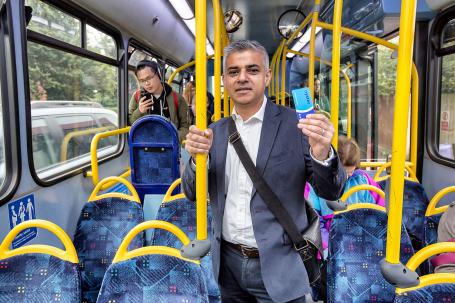
I am careful not to be too optimistic about the future of cycling on London’s roads, but I did have faith that with Khan as mayor, bus service at least was in safe hands. Now I’m not so sure.
(Mostly of local interest in a small part of north London)
Until September, there will be no through traffic on Wightman Road.
Many of those who live on Wightman, or on the Ladder roads which normally act as rat-runs between Wightman and Green Lanes, are very happy with the reduction in traffic:
It’s because of a bridge repair, but it raises this question: should it be a temporary measure on just one road, or should Haringey take it as an opportunity to begin seriously to cut through traffic and pollution by private motor vehicles, and a shift to more foot, bicycle and bus travel?
Continue reading
Good cycling infrastructure is extremely important for increasing cycling and for reducing the use of cars in our towns and cities. On main roads, that means protected (segregated) cycle lanes; on side roads it means filtered permeability – pedestrians and cycles go through, cars and trucks don’t. There’s plenty of evidence for the importance of such infrastructure.
But when the UK cycling organization road.cc runs the headline “Cycle infrastructure responsible for 85% of cycling increase“, I have to object. This is the message of Infrastructure, Infrastructure and Infrastructure gone mad. If you read just that headline, you’ll be left with the impression that nothing much matters other than infrastructure. Even if you read the whole article, you won’t know why that interpretation is dead wrong.
Continue reading

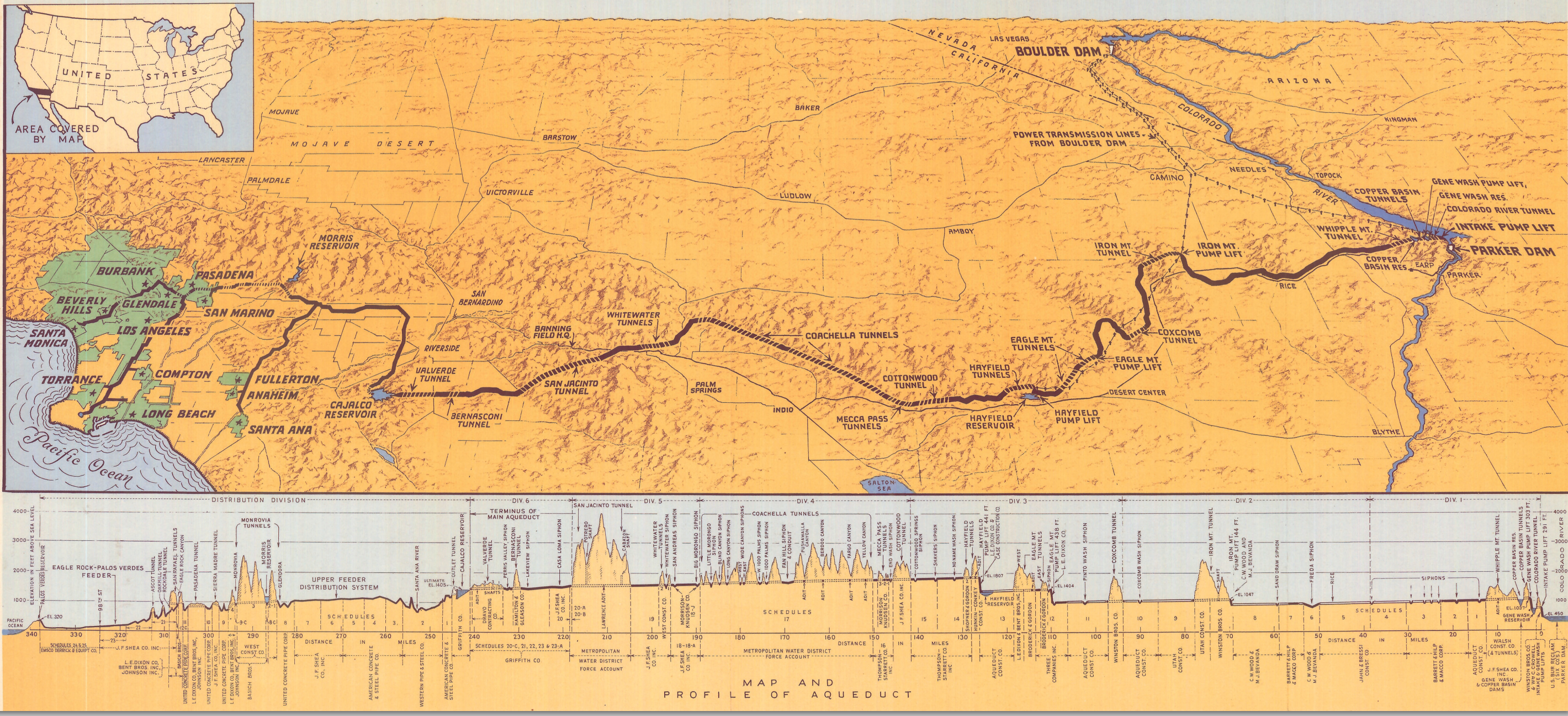
Click image to enlarge; thanks to John Fleck, via Rabett Run, for this beautiful graphic. Of course it reminds you that the city’s water – Chinatown and all that – is coming from desert rivers that don’t flow quite like they used to.

Percentage of trips by cycling, UK (blue) vs. Netherlands (orange), by age group. From City Cycling, eds. Pucher & Buehler, 2012, via AsEasyAsRidingABike.
update: David Hembrow reminds me of an excellent resource on this – his A view from the cycle path blog, and the linked Campaign for Childhood Freedom.
Two densely populated countries in northwest Europe, with similar mild-if-dreary climates. The difference? Cycle infrastructure. It’s why “going Dutch” has become a motto for cycle advocates in Britain.
Who would benefit from going Dutch? From San Francisco to London (two cities I happen to pay attention to, for personal reasons), public concern about bicycle safety and infrastructure focuses on hardy adults, 18-60, at risk of being hit by motor vehicles – particularly trucks – when commuting. Sometimes we cycle commuters are not the most sympathetic lot, especially when pumped with adrenalin after a near-death experience on the road. For an excellent discussion of why quality cycle infrastructure is not about today’s cycle commuters but the much larger population of potential cyclists – disproportionately children and old people – see this post at AsEasyAsRidingABike. Continue reading

– map from Eric Rodenbeck, writing (and mapping) in Wired. Thanks to Louis Suárez-Potts for the link.
For many, San Francisco’s transition from center of finance, trade and manufacturing to a new role as a suburb of the Silicon Valley (the latter comprising the ex-surburbs to its south), seems wrong – a vibrant, heterogeneous city gentrified, converted into a pretty place for techies to perch. It feels wrong to me, too, but at the same time it says something beautiful to me: Continue reading
Emily Badger in Atlantic Cities: A Small Number of People Are Causing a Huge Share of Our Greenhouse Emissions. The study she’s discussing, by Dominik Saner et al, is here (behind the paywall).

Here’s a beautiful map showing real-time bike share usage, station by station, in cities around the world. This is the publicly available data. The NSA, of course, tracks individual riders as they ride 😉

Book him, Danno.
Anthony Cardenas was arrested by Vallejo police for felony vandalism. … Cardenas is in [jail] for painting one crosswalk and adding cross-hatching to the three official ones…. [jail] time, …. $15,000 bail …
Read from the whole story from David Edmondson at Vibrant Bay Area.
Home delivery of groceries produces far lower CO2 emissions than driving to the supermarket: Erica Wygonik and Anne Goodchild find this in a recent study of the Seattle area (thanks to Tanya Snyder at Streetsblog for the reference). Wygonik and Goodchild cite similar findings from Sally Cairns in the UK, Hanne Siikavirta and colleagues in Finland, and Tehrani and Karbassi in Iran.
These studies find that the CO2 savings can be as high as 80-90% Continue reading
 Frederick Guy