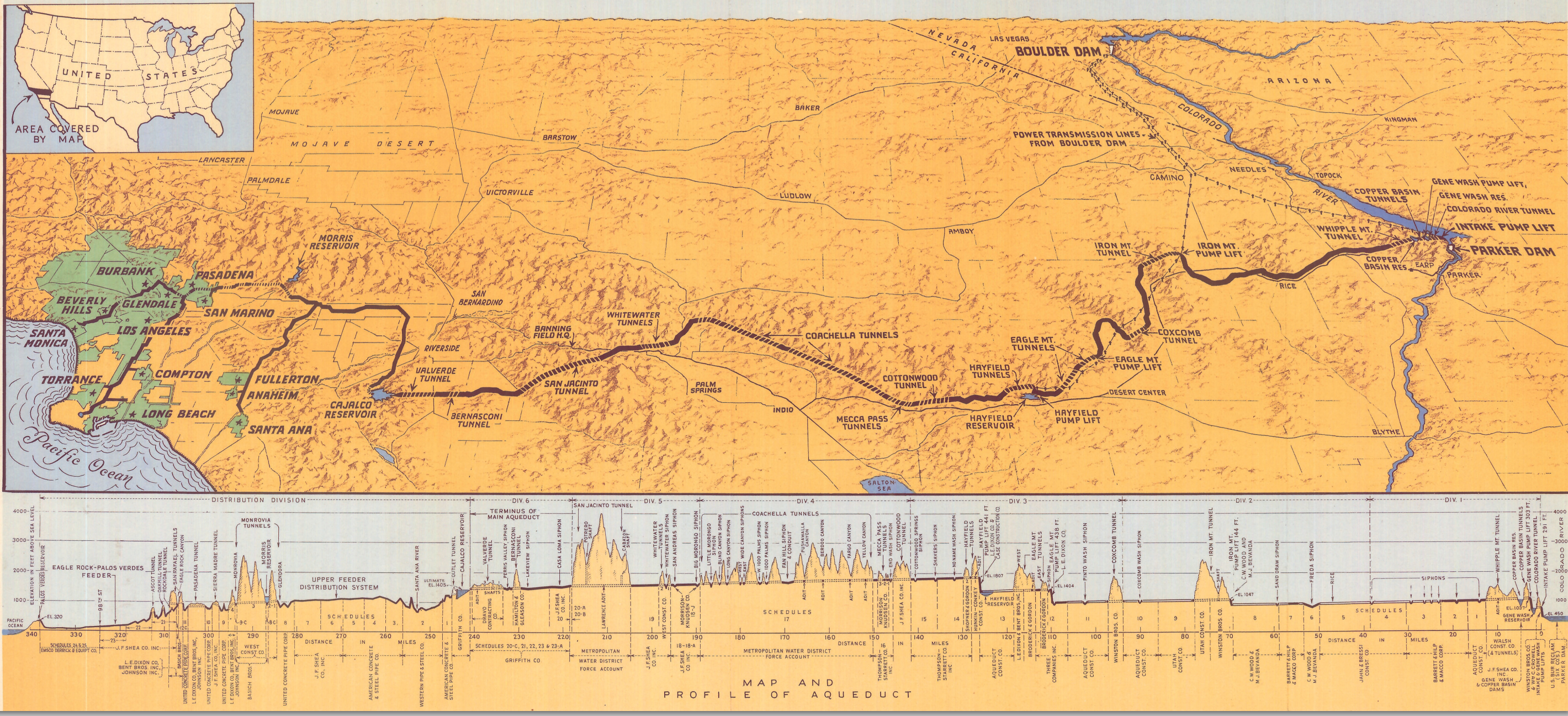
Click image to enlarge; thanks to John Fleck, via Rabett Run, for this beautiful graphic. Of course it reminds you that the city’s water – Chinatown and all that – is coming from desert rivers that don’t flow quite like they used to.
Tag Archives: climate change
The carbon dioxide 1%, in one town
Emily Badger in Atlantic Cities: A Small Number of People Are Causing a Huge Share of Our Greenhouse Emissions. The study she’s discussing, by Dominik Saner et al, is here (behind the paywall).

Good luck, Jim
From today’s Guardian – NASA’s James Hansen talks to the UK government:
Tar sands exploitation would mean game over for climate, warns leading scientist
[…] Hansen met ministers in the UK government, which the Guardian previously revealed has secretly supported Canada’s position at the highest level.
From last Friday’s Guardian – the UK government couldn’t care less:
UK’s climate change adaptation team cut from 38 officials to just six
Former senior official John Ashton attacks government for ‘spooking potential investors’ in energy infrastructure
If the world were cooling and the weather becoming less volatile, maybe this would have been a better investment
Does Exxon hate your children?
Exxon Hates Your Children – what a name for a website, for a campaign. Nice because it is so obviously true while being literally wrong simply because the corporation has no emotions. If an individual were doing what Exxon does, we would see their actions as hateful and hold them up as objects of hate in return – as indeed we do with the Koch brothers or Gina Rinehart. With Exxon and its ilk you get just a bunch of corporate cogs, a machine of impersonal hatred, banal evil…
Clean energy jobs in US grow despite dis-incentives
The growth is reported by Climate Progress, picking up a report from the San Antonio Business Journal, whose reporter consulted the actual report by Environmental Entrepreneurs. This happens despite continuing (rising!), huge, subsidies for fossil fuel use and production, and for energy gobbling urban sprawl. Dare we imagine what clean energy growth might be if those subsidies were yanked, and a revenue-neutral (offset by payroll tax reductions, perhaps) carbon tax put in place?
Karl Marx is dead, really??
Robert Waldman says Theda Scocpal says Marx is dead, on the grounds that the US Republican party didn’t follow big business’s support for [carbon] Cap and Trade legislation in 2007. His post is both interesting and short, so I’ll reproduce it in full:
BP stands first for Brian Plumer then for British Petroleum — I’m pretty sure DuPont is the firm and not Pierre “Pete”. TS is Theda Scocpal. When I knew her (OK when I took freshman physics from her husband Bill) she was one of the few Marxists at Harvard (I think the only one in the Sociology department).
BP: So around 2007, Republicans were becoming more skeptical of climate policy. Yet the main climate strategy in D.C. was to craft a complex cap-and-trade bill amenable to businesses like BP and DuPont in the hopes that those companies would bring in Republican votes.
Continue reading
Going up

This is The Escalator. If you live in a bubble world of rational discourse, it may seem an unnecessary demonstration of the obvious, but as you will have heard there are millions who do subscribe to petro-funded climate skepticdenial stories based on cherry-picked short-term trends (the blue lines). When you meet such a person, it would be an act of loving kindness towards them and all of us to take some time out to show him or her the graphs above, together with the explanation here (that, together with the follow-up posts also make a good tutorial in graphical data analysis). There’s a lot more good material at the same site: SkepticalScience.
Monbiot: no peak oil, only warming
Anybody still entertaining the notion that peak oil would somehow help us kick the carbon habit should see this nice piece by George Monbiot in the Guardian.
At least since plublication of The Limits to Growth (LTG) in 1972, many have put natural resource limits and the damage caused by pollution in the same frame. Continue reading
War and carbon dioxide
Resource wars. On the occasion of the USA’s Veterans Day, Joe Romm reflects on forthcoming food and water shortages, and the prospect of resource wars. Good discussion, good links. That conflicts over food or other resources can lead to war is not new news, of course: it is in the history of every empire. Last summer in the New York Review of Books, Timothy Snyder reminded us that in the cases of Stalin in the 1930s and Hitler in the 1940s, most of the killing of civilians took place neither in the gulag of Siberia nor death camps in or near Germany, but in the wheat fields of eastern Poland, Ukraine and environs. Whatever the contributions of ideology and madness to those events, Russian and German desires to control that breadbasket had a big hand in the deaths of millions. In the 19th and early 20th centuries, Britain kept food exports flowing from India, in the midst of famine; Mike Davis’s Late Victorian Holocausts gives a gripping account of this, and of the link between El Niño, drought, and famine. So when you think of climate change, don’t think of hot weather, hurricanes or dead polar bears: think of just how nasty human society can become when there is a conflict over food.
Carbon dioxide and methane. Recent attention to the warming role of methane has led some in the denial community to use this – as they use everything – to claim that carbon dioxide isn’t so important. At RealClimate.org, Gavin Schmidt of NASA details the relative contributions of these and other agents to the problem.